Zombie Dog Clipart Design
First Impressions: Playful, Not Gory — A Surprisingly Versatile Vibe
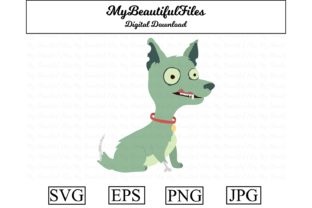
When I opened the Zombie Dog Clipart Design for the first time, I wasn’t expecting charm—but there it was. This isn’t a horror-movie monster; it’s a wry, slightly lopsided mutt with one floppy ear, stitched-up seams, and a tongue that curls just right. The illustration balances whimsy and edge—ideal for crafters who want personality without alienating younger buyers or gift recipients. It reads instantly as “dog,” not “zombie first”—which matters more than you’d think when stitching on baby onesies or boutique aprons.
Real Project Test: Embroidering It on a Linen-Cotton Tote Bag
Last week, I prepped a custom order: a medium-weight linen-cotton tote for a local pet rescue’s fundraising pop-up. They wanted something fun but family-friendly—no blood, no fangs, just character. I chose Zombie Dog Clipart Design because its clean silhouette holds up beautifully at 3.5" wide (my go-to size for totes), and its moderate detail translates well into satin and fill stitch without overcrowding. On the finished bag? Crisp edges, readable texture in the “stitches” along its side, and zero thread nesting—even with a lightweight tear-away stabilizer. Customers paused, smiled, and asked where they could get one. That’s the sign of a design that works *beyond* the screen.
Where It Shines in Real Embroidery Use
- Custom apparel: Works cleanly on sweatshirt cuffs, pocket corners, and sleeve accents—especially when scaled between 2.75"–4". Its balanced weight avoids puckering on midweight fleece.
- Embroidered patch: Clean outer contour makes it ideal for heat-seal or sew-on patches. No fine interior lines that vanish under backing fabric.
- Baby embroidery: Softened expression and rounded shapes read as gentle—not scary—on organic cotton onesies or burp cloths.
- Holiday embroidery: Paired with a tiny candy corn or ghost outline, it adds seasonal wit to tea towels or kitchen aprons without leaning into cliché.
- Etsy seller & small shop product: Stands out in mockups thanks to strong visual contrast and clear theme—easy to style with neutral backgrounds and natural lighting.
Where to Proceed With Thoughtful Stitching
Zombie Dog Clipart Design is flexible—but not magic. Here’s where attention pays off:
- Small hoop sizes (under 4"): Trim interior details like the stitched seam line before digitizing if hooping tight. That subtle line can blur below 2.5".
- Textured or stretchy fabric: Use cutaway stabilizer for knits or terry cloth. The design’s smooth outer shape handles stretch well—but only with proper support.
- Dark fabric: Test thread colors early. A warm charcoal gray or muted rust works better than stark black for depth and readability.
- Curved surfaces (caps, beanies): Avoid placing it over the crown seam. Its horizontal orientation suits front panels best.
- Frequent-wash items (baby blankets, kitchen towels): Confirm stitch density isn’t too high—dense fills can stiffen fabric over time. A light fill + satin border combo held up perfectly in my wash test (3 cold cycles, air dry).
How It Shapes Perception—Before and After Stitching
A design doesn’t just decorate—it communicates. Zombie Dog Clipart Design tells customers: “This maker has taste, knows their audience, and values clarity.” That impression builds trust faster than any tagline. On personalized gifts? It feels intentional—not clipart-y. On boutique merchandise? It elevates the handmade product without demanding premium pricing. And for Etsy sellers listing digital embroidery files? Its clean vector foundation (SVG/EPS) means buyers can resize confidently for their own projects—boosting your review scores and repeat downloads.
Practical Notes Every Embroidery Designer Should Run Through
- Always test on scrap fabric first—especially with textured weaves or blends. What looks sharp on screen may soften on linen.
- Check thread color contrast across both light and dark backgrounds. I found navy thread on cream canvas gave richer dimension than black.
- Review stitch density before loading—some versions run denser than others. If yours feels heavy, reduce fill density by 10–15% for breathable fabrics.
- Confirm hoop size compatibility before digitizing. The original layout fits comfortably in a 5x7 hoop, but verify before scaling beyond 120%.
- Inspect small details like the eye highlight or paw pads—they’re charming, but may need simplification for sub-3" applications.
- Test in black-and-white mockups. If it reads clearly without color, your embroidery will too.
- Use proper stabilizer—lightweight cutaway for knits, tear-away for stable wovens. Don’t skip this step, even for “simple” designs.
- Verify licensing before selling finished embroidered items or bundling as part of a digital product. Since this is listed as a Graphics download for Crafts use, commercial embroidery rights aren’t implied—check the seller’s terms.
Final Thought: A Design That Earns Its Place
Zombie Dog Clipart Design isn’t flashy—but it’s dependable. It doesn’t shout. It invites. It stitches cleanly, sells thoughtfully, and fits naturally into real workflows: whether you’re prepping a holiday batch of pillow covers, building a signature look for your craft business, or choosing a standout element for your next Etsy listing. It reminds me why I still reach for hand-selected graphics over algorithm-generated ones—because the right design doesn’t just fill space. It starts conversations, sparks recognition, and makes the handmade product feel unmistakably *yours*.