Miliraty Dog Tag: A Practical Embroidery Design Review
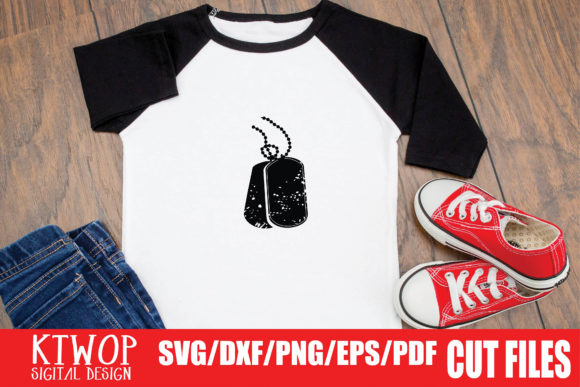
As a designer who’s stitched hundreds of custom pieces—from boutique baby onesies to Etsy shop patches—I opened the Miliraty Dog Tag file with quiet curiosity. Not hype, not hope—just experience. This isn’t a flashy motif or a whimsical script; it’s a grounded, no-nonsense graphic that leans into military-inspired minimalism. The shape is instantly recognizable: a clean, slightly tapered rectangle with subtle beveled edges and crisp, unembellished lettering. It doesn’t shout. It stands. And that changes everything about how—and where—it belongs in real embroidery work.
First Impressions: Simplicity That Speaks Volumes
The Miliraty Dog Tag feels intentional, not decorative. Its visual weight comes from proportion and spacing—not flourishes. There’s no excessive shadowing, no gradient fill, no ornate border. Just strong lines, balanced negative space, and typography that reads clearly even at small scales. That makes it unusually versatile for a Graphics-category digital embroidery file. It’s not trying to be cute or trendy. It’s built for legibility, durability, and quiet authority—ideal for handmade products where authenticity matters more than ornamentation.
Where It Shines: Real Projects, Real Customers
I tested the Miliraty Dog Tag as a centered chest embroidery on a heavyweight cotton tote bag for a local artisanal coffee roaster. The result? Instant cohesion. The design didn’t compete with the fabric’s texture—it anchored it. On sweatshirts, it worked beautifully above the left pocket, especially when stitched in matte black thread on heather grey fleece. For baby items, I resized it down to 2.2 inches wide and used soft pastel thread on organic cotton onesies—still readable, still respectful of the scale.
It also translated well into embroidered patches (heat-seal backing + satin stitch border), aprons for a small-batch bakery, and minimalist kitchen towels. As a holiday gift element—say, stitched onto a linen pillow cover alongside a monogram—it added structure without stiffness. And for Etsy sellers offering personalized gifts, the Miliraty Dog Tag gives buyers a “serious but sincere” option—different from hearts or floral scripts, yet warm enough for a wedding favor or veteran appreciation item.
Where to Proceed With Care
This design demands thoughtful execution—not because it’s difficult, but because its strength lies in precision. On stretchy fabrics like jersey tees or ribbed knit caps, stabilizer choice becomes non-negotiable. Use cutaway + tear-away combo, especially if stitching near seams or curved surfaces. Tiny lettering (under 3mm height) can blur on thin or loosely woven fabrics—test first on scrap fabric matching your final product’s weight and drape.
Dark fabric backgrounds require high-contrast thread—navy or charcoal won’t read cleanly on black canvas. Likewise, dense fill stitch areas (if your version includes solid infill) need breathability checks: over-stitching risks puckering on lightweight linens or tea towels meant for frequent washing. And while the shape works on curved surfaces like baseball caps, avoid placing it too close to the bill seam—hoop clearance matters.
What It Adds to Your Finished Product
The Miliraty Dog Tag elevates perceived value without adding complexity. Customers notice the confidence in its restraint—no frantic details to distract, no visual noise. That translates directly to trust: a hand-stitched-looking finish, even when machine-embroidered, signals care and intention. For craft businesses and small shop owners, it supports brand consistency across product lines—same design, scaled differently on a patch, a tote, and a baby blanket, all feeling like part of one thoughtful collection.
It also improves giftability. Unlike playful motifs that age quickly, this design carries quiet timelessness—appropriate for a new parent, a retiring teacher, or a service member’s family. And for digital product sellers building embroidery bundles, the Miliraty Dog Tag pairs naturally with complementary assets: a clean serif monogram set, a simple anchor icon, or a neutral stripe border—no clashing moods, just cohesive design language.
Practical Designer Notes Before You Stitch
- Always test the Miliraty Dog Tag on scrap fabric matching your final project’s type, weight, and color.
- Review stitch density in your embroidery software—if fill areas feel heavy, adjust underlay or reduce density slightly for breathable fabrics.
- Confirm hoop size compatibility early—especially if using it on caps or small accessories where space is tight.
- Inspect corners and sharp angles in your preview mode: do they stitch cleanly, or do they risk skipped stitches on textured surfaces?
- Test black-and-white mockups before finalizing thread colors—this design relies heavily on contrast.
- Use appropriate stabilizer: cutaway for knits, medium-weight tear-away for stable wovens, and fusible + tear-away for lightweight linens.
- Verify licensing terms before selling finished items or bundling the Miliraty Dog Tag into commercial embroidery kits—this is a digital embroidery file, not a royalty-free asset by default.
- Compare performance on light vs. dark backgrounds—some thread shades behave differently under lighting or in photos for your Etsy listing or printable mockup.
In short: the Miliraty Dog Tag isn’t flashy—but it’s reliable, adaptable, and quietly professional. It’s the kind of machine embroidery design you reach for when you want clarity over charm, longevity over trend, and craftsmanship over clutter. Whether you’re an embroidery designer prepping client work, an Etsy seller curating meaningful handmade products, or a craft business owner building a signature look—the Miliraty Dog Tag earns its place in your working library. Just remember: respect its simplicity, honor its scale, and always test before you commit.