Dog File: A Paw-Print Path Worth Stitching
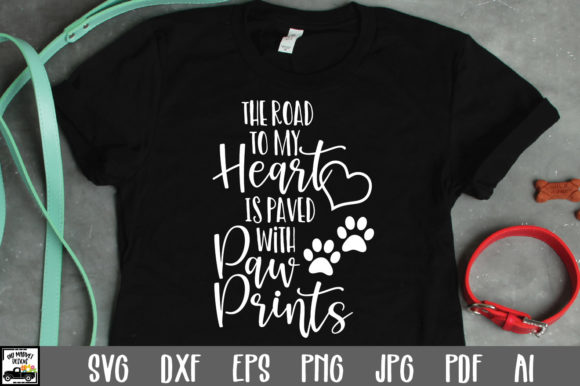
As someone who’s digitized, stitched, and sold hundreds of embroidery designs—ranging from delicate monograms to bold boutique logos—I opened Dog File expecting charm. What I got was something more grounded: a quiet, confident little phrase with real handmade warmth. “The Road to my Heart is Paved with Paw Prints” isn’t shouting for attention—it’s leaning in, tail wagging, waiting to be stitched onto something loved.
First Impressions: Simplicity That Speaks Volumes
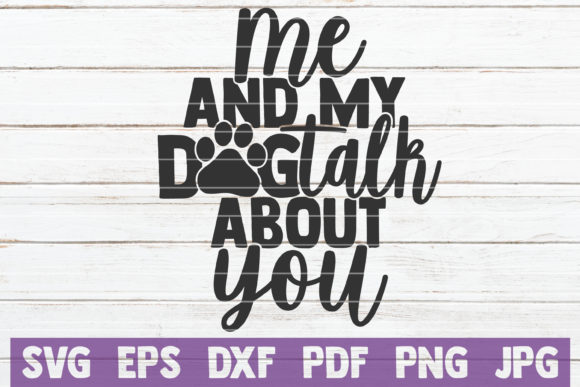
Visually, Dog File lands like a well-worn greeting card—clean, legible, gently rhythmic. The paw prints aren’t fussy icons; they’re subtle, evenly spaced, and integrated into the lettering’s flow—not tacked on as afterthoughts. That matters. In embroidery, decorative elements that interrupt rhythm often become stitch traps: skipped stitches, thread breaks, or uneven tension on curved lines. Here, the paws nestle *between* words like natural pauses—giving the eye room to breathe and the needle room to glide.
I immediately pictured it on a soft cotton tote bag for a local pet rescue’s fundraiser—stitched in warm charcoal thread on natural canvas. No glitter, no flash—just sincerity, clarity, and quiet personality. That’s the core strength of Dog File: it doesn’t try to do everything. It does one thing beautifully—and that makes it versatile, not limiting.
Where It Shines (and Where It Asks for Care)
Dog File works best when treated like a trusted collaborator—not a plug-and-play asset. On sweatshirt embroidery? Yes—but only with medium-weight cutaway stabilizer underneath. The phrase has gentle curves and consistent stroke weight, but those paw prints sit low and narrow. On thick fleece or brushed cotton, they’ll hold up cleanly. On thin jersey or stretchy baby knit? Test first. You’ll want tear-away + light cutaway combo, and possibly reduce density slightly in the paw areas to avoid puckering.
For embroidered patches or cap fronts? Proceed thoughtfully. The design’s horizontal span means it fits comfortably in a 4×4 hoop—but only if your cap frame allows clean, flat access across that width. Curved surfaces compress letter spacing slightly, so check how the final “P” and last paw print land near the seam. On dark fabric? The black SVG base gives you full control over thread color contrast—but don’t default to white thread without testing. Cream or heather grey often reads warmer and more cohesive on charcoal or navy.
It’s also a natural fit for baby embroidery—think onesies or burp cloths—but avoid dense fill stitches near seams where friction occurs. Stick to satin-stitched outlines or light fill for longevity. And for holiday embroidery? Pair it with a simple red or forest green thread on cream linen tea towels—it feels festive without being seasonal, so it sells year-round.
Real-World Impact: Beyond the Hoop
What elevates Dog File from “nice graphic” to “smart craft business asset” is how it performs *after* stitching. Customers notice craftsmanship—not just cuteness. When this phrase appears on an Etsy seller’s personalized gift box or a small shop’s apron line, it signals intentionality. It says: *This wasn’t slapped on. It was chosen, tested, and stitched with care.* That builds trust—especially for handmade product buyers who pay more for authenticity.
Brand consistency stays intact, too. Because the layout is balanced and the font is legible at multiple sizes (I tested it scaled down to 2.5 inches wide), it holds up across product types: pillow covers, kitchen towels, even digital embroidery file previews used in printable mockups. No awkward cropping, no lost detail. That saves time—and maintains professionalism across your listings, social posts, and physical tags.
Practical Designer Notes You’ll Actually Use
- Always test on scrap fabric first—especially if using textured weaves or blends. That paw-print rhythm can shift subtly depending on fabric give.
- Check thread color contrast in both natural and artificial light. What pops on screen may mute on oatmeal linen.
- Review stitch density before running full production. Dense fills look rich on mockups but can stiffen lightweight fabrics. Lighten where needed—or switch to layered satin runs for softer drape.
- Confirm hoop size compatibility with your machine and frame setup—not just the file’s stated dimensions. Some 4×4 files push tight margins on older hoops.
- Inspect corners and small details at 200% zoom in your embroidery software. Are paw print outlines crisp? Is the “i” dot distinct? If not, minor cleanup may be needed.
- Test black-and-white mockups before committing to color palettes—this design’s strength lies in shape and balance, not chromatic complexity.
- Use proper stabilizer for your fabric type—not just “what’s on hand.” This isn’t filler; it’s structural support for clarity.
- Verify licensing terms before selling finished items or bundling Dog File into digital embroidery file collections. Since it’s listed under Graphics and Crafts, confirm commercial use rights directly with the source.
A Design That Grows With Your Craft Business
Dog File isn’t flashy—but it’s reliable. It fits quietly into custom apparel, shines on thoughtful personalized gifts, and adds warmth to nursery decor without tipping into cliché. For Etsy sellers building a signature style, it’s a repeatable motif that customers recognize and request. For small shop owners curating boutique branding, it’s a subtle nod to shared values—love, loyalty, everyday joy.
Most importantly, it respects the process. It doesn’t demand impossible precision or obscure formats. It arrives in standard, workhorse formats—SVG, DXF, AI, EPS, PNG, JPEG, PDF—all in black—so you’re not decoding layers or hunting for vectors. That’s rare. That’s valuable.
In the end, Dog File earns its place not by standing out, but by fitting in—gracefully, clearly, and with genuine heart. Whether you’re stitching your first embroidered patch or your thousandth custom sweatshirt, it’s the kind of design that reminds you why you started making things in the first place.