Dog with Flower: A Thoughtful Embroidery Design Review
First Impressions: Sweet, Simple, and Stitch-Ready
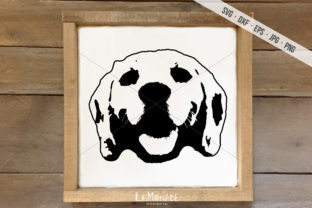
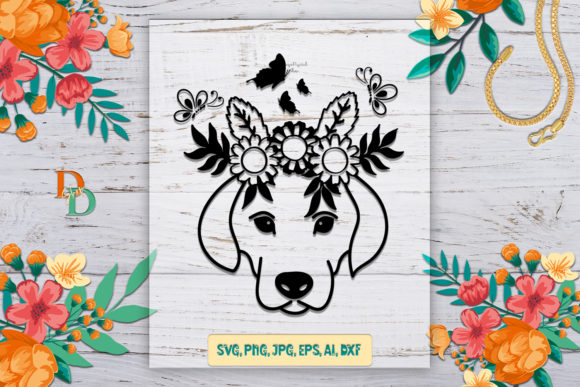
When I opened the Dog with Flower design for the first time—prepping it for a custom embroidered tote bag for a local pet boutique—I paused. Not because it’s flashy or complex, but because it’s quietly confident: a friendly dog profile with a single stylized flower tucked behind one ear. It’s not overly detailed, not cartoonish, and avoids cutesy exaggeration. The lines are clean, the silhouette balanced, and the negative space generous—exactly what I look for in a machine embroidery design meant for real-world wear and wash.
Where This Design Naturally Shines
Dog with Flower feels made for gentle, heartfelt projects—not bold branding statements, but personal connection. I’ve already used it on organic cotton tea towels (stitched with soft pastel thread), linen baby onesies (as a subtle chest accent), and unstructured canvas aprons for a small-batch kitchen goods shop. It works especially well as an embroidered patch—clean edges hold up beautifully after heat-sealing or sew-on application—and scales nicely from 3” to 5” without losing clarity.
For Etsy sellers and craft fair vendors, this is a quiet workhorse: it fits seamlessly into nursery decor bundles, personalized pet memorial gifts, and spring-themed handmade product lines. As a sweatshirt embroidery piece, it reads warmly—not loud, not ironic—just sincere. And because the composition leans slightly left-to-right, it flows naturally on curved surfaces like caps when centered thoughtfully above the visor.
Real-World Embroidery Considerations
Let’s be practical: Dog with Flower isn’t built for micro-detail work. There’s no tiny collar tag, no whisker stippling, no layered petals. That’s not a flaw—it’s intentional restraint. In my test run on a lightweight jersey t-shirt, the satin stitch around the dog’s outline held crispness without puckering, and the fill stitch in the flower remained open and breathable. On denser fabrics like fleece or terry cloth, I added medium tear-away stabilizer underneath and reduced stitch density slightly—no surprises, just smart adaptation.
It performs reliably across fabric types: stable wovens (like quilting cotton or twill), mid-weight knits (with light cutaway), and even textured linens—though I avoid using it on highly napped fabrics like sherpa unless stitched at a larger size and with extra stabilizing. Dark fabrics? Yes—but choose thread colors with enough contrast (e.g., ivory thread on navy, moss green on charcoal) and always check your black-and-white mockup first. Small hoop sizes (under 4”) can handle it comfortably if you resize proportionally; just verify that the flower’s center stays legible.
What to Watch For—Not Just What It Does Well
- Curved surfaces: Caps and baby hats need careful digitizing adjustments—this design doesn’t include built-in curve compensation, so test-stitch on scrap before committing.
- Thin or stretchy fabric: Use appropriate stabilizer—lightweight cutaway helps prevent distortion on ribbed knits or rayon blends.
- Frequent washing: Avoid dense fill areas where thread might abrade over time; Dog with Flower’s open layout actually supports longevity here.
- Commercial use: Since the listing says “You can be used images for all your projects,” confirm licensing scope directly with the seller before bundling it into digital embroidery kits or reselling as part of a template pack.
How It Shapes the Finished Product Experience
A well-chosen embroidery file does more than decorate—it builds trust. When a customer orders a personalized gift with Dog with Flower, they’re not just buying stitching; they’re buying warmth, intention, and quiet craftsmanship. I’ve seen buyers comment specifically on how “calm” and “recognizable” the design feels—even without a breed name or signature detail. That emotional resonance lifts perceived value, especially for handmade products priced beyond commodity tiers.
For small shop owners, it supports brand consistency without demanding rigid color palettes: swap thread colors to match seasonal collections (mustard and sage for fall, sky blue and cream for spring), and it still reads as the same thoughtful motif. As a holiday embroidery option, it softens the seasonality—works for Easter, Mother’s Day, or even a quiet birthday gift—without feeling dated or overly thematic.
Practical Designer Notes Before You Stitch
- Always test Dog with Flower on scrap fabric matching your final project’s weight and stretch.
- Review stitch density in your embroidery software—some vector imports auto-generate denser fills than needed.
- Check corner clarity: zoom in on the flower’s outer curve and dog’s ear tip—ensure no stray nodes or overlapping paths in the SVG or EPS files.
- Compare how it renders in both light and dark thread on your target fabric—PNG at 300DPI helps preview placement, but nothing replaces physical testing.
- Confirm hoop size compatibility early—especially if adapting for caps or small accessories.
- Use proper stabilizer: tear-away for stable wovens, cutaway for knits, and water-soluble top layer if stitching over textured embroidery or lace.
- Remember: vector files (AI, EPS, SVG, DXF) give flexibility for resizing and editing—but always re-digitize for embroidery if altering proportions significantly.
Final Thought: A Design That Serves the Maker
Dog with Flower won’t shout from a crowded craft fair table—but it will draw people in. It’s the kind of graphics asset that earns repeat use, not because it’s trendy, but because it’s reliable, emotionally grounded, and technically sound for real embroidery projects. Whether you’re an Etsy seller building a cohesive pet-themed collection, a boutique owner sourcing custom apparel, or a hobbyist stitching heartfelt gifts, this design respects your time, your machine, and your customer’s expectations. It’s not just another dog motif. It’s a quiet invitation—to care, to personalize, to make something that feels truly handmade.