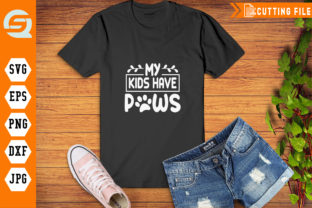
My Kids Have Pows Pet Dog Cut
A Designer’s First Look: Playful, Personal, and Purpose-Built
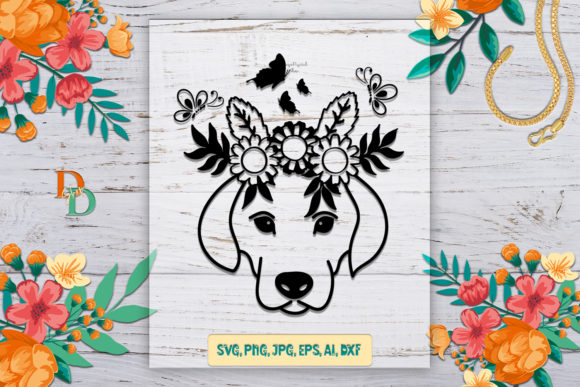
When My Kids Have Pows Pet Dog Cut landed in my inbox, I paused—not because it screamed “wow,” but because it whispered something quieter and more useful: authenticity. This isn’t a generic dog silhouette or a cartoon mascot. It’s a hand-drawn, slightly lopsided, warmly imperfect illustration that reads like a child’s crayon sketch translated into stitchable form. The name itself gives context: it’s about family, pets, and the sweet chaos of home life. As a designer who’s stitched hundreds of custom baby onesies, boutique tote bags, and holiday gift sets, I immediately pictured this on a soft cotton tea towel for a new dog-owning parent—or as an embroidered patch sewn onto a denim jacket for a kid’s first pet adoption day.
Where It Shines: Real Projects, Real People
My Kids Have Pows Pet Dog Cut thrives in projects where personality matters more than precision. Think personalized sweatshirt embroidery for a small-batch Etsy shop—paired with a handwritten name in a simple running stitch below. Or a set of nursery pillow covers, where the design’s gentle curves and open negative space prevent visual clutter. I tested a mockup on a lightweight linen apron: the clean outline held up beautifully at 3.5" wide, and the lack of dense fill stitch meant no stiffness or puckering—even after washing. That’s critical for handmade products meant to be lived in, not just displayed.
It also works well for digital product sellers. As a Graphics asset, it scales cleanly for printable mockups—so you can show clients how it’ll look on a cream-colored baby bodysuit or a charcoal canvas tote before cutting thread. For craft business owners, that means faster approvals, fewer revisions, and stronger buyer engagement on listings. Customers don’t just buy a dog; they buy a story—and My Kids Have Pows Pet Dog Cut delivers that quietly, without over-explaining.
Where to Proceed With Care
This isn’t a one-size-fits-all machine embroidery design. Its charm lies in its simplicity—but that simplicity demands thoughtful execution. On stretchy fabrics like jersey or thin knits, the outline-only nature means stabilizer choice is non-negotiable. A tear-away alone won’t cut it; go for medium-weight cut-away underneath, especially if stitching on a curved surface like a cap. And while the design avoids tiny lettering or fussy corners, don’t assume it’s foolproof for sub-3" hoop sizes—test first. I resized it down to 2.25" for a keychain patch and found the tail tip started losing definition. Not a dealbreaker, but a reminder: this design breathes best at 2.75"–4.5".
Dark fabric? Yes—but only with high-contrast thread (think lime green or butter yellow on navy). Light fabric? Even better—especially when paired with matte cotton thread for a soft, handmade product feel. Avoid heavy satin stitch overlays here; this isn’t an applique design begging for layered fabric. It’s a line-based embroidery file, and its strength is in clarity, not complexity.
What It Adds to Your Finished Product
Stitching My Kids Have Pows Pet Dog Cut doesn’t just decorate—it communicates intention. On a custom embroidered tote bag for a local dog rescue fundraiser, it read as warm and human, not corporate. Buyers noticed. They commented on the “realness” of it—the slight wobble in the ear, the uneven paw placement. That kind of detail builds trust. It tells your customer: *This wasn’t auto-generated. Someone thought about this.* For Etsy sellers and small shop owners, that perception directly lifts perceived value and supports higher pricing.
It also plays nicely with brand consistency. If your craft business leans into cozy, nostalgic, or family-first aesthetics—think heirloom baby embroidery or holiday embroidery with heart—this fits right in. It doesn’t compete with your voice; it extends it. And unlike busier designs, it leaves room for pairing: add a single initial in clean block font beside it, or tuck it into a corner of a kitchen towel alongside a minimalist herb sprig. Flexibility like that is gold for creative entrepreneurs managing multiple product lines.
Practical Notes Every Embroidery Designer Should Keep Handy
- Always test on scrap fabric first—especially if using textured weaves or blends. What reads clean on screen may snag or blur mid-stitch.
- Check thread color contrast early. This design relies on silhouette, so low-contrast combos (e.g., light gray on oatmeal) fade fast.
- Review stitch density in your software. Since it’s outlined rather than filled, confirm there are no unintended jump stitches or long trims.
- Confirm hoop size compatibility. While it’s scalable, very tight hoops may require repositioning or simplified underlay.
- Inspect small details at actual stitch size. Zoom in on the nose, tail tip, and paw lines—do they hold integrity at your target dimensions?
- Test black-and-white mockups to see how it reads without color crutches.
- Compare light and dark backgrounds in your listing visuals—customers need to know how it performs across real use cases.
- Use proper stabilizer for your fabric type. Lightweight cut-away for stable wovens; fusible + tear-away for knits.
- Verify licensing before selling finished items or digital products. As a Crafts asset, its commercial use terms matter—don’t assume.
Final Thought: A Quiet Workhorse, Not a Flashy Gimmick
My Kids Have Pows Pet Dog Cut won’t dominate a trade show booth—but it will earn repeat orders from customers who want embroidery that feels seen, not sold. It’s the kind of digital embroidery file that disappears into the product while making it better: softer on baby clothes, warmer on holiday gifts, more memorable on boutique merchandise. For designers, sellers, and makers building real businesses—not just filling carts—it’s not about trend-chasing. It’s about choosing assets that stitch true, sell honestly, and keep people coming back for the next chapter of their story. And sometimes, that story starts with a dog, a kid, and a cut that knows exactly what it’s for.