Drink Wine and Pet My Dog
A Designer’s First Look: Charm with Clear Intent
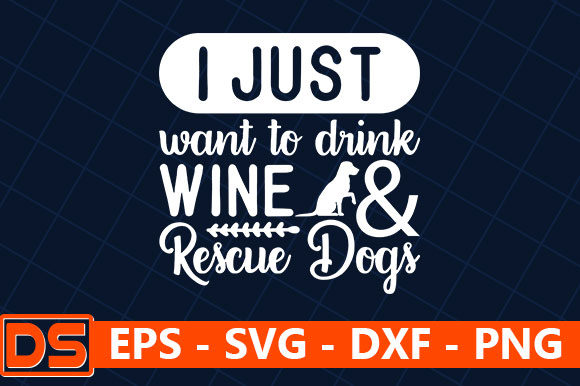
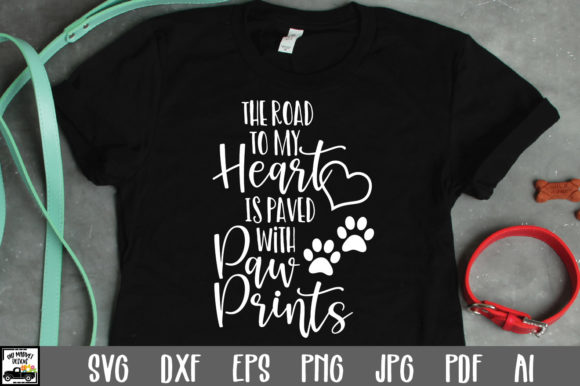
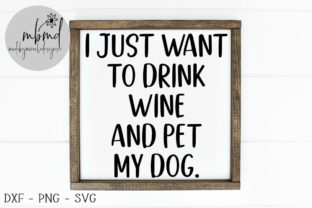
When Drink Wine and Pet My Dog landed in my inbox, I paused—not because it’s flashy, but because it’s disarmingly sincere. As a designer who reviews hundreds of embroidery files each year, I immediately saw its quiet confidence: friendly, slightly cheeky, and built for connection. It’s not shouting for attention; it’s leaning in with a warm smile and a well-worn dog collar. The layout feels balanced—curved baseline, relaxed letter spacing, subtle tail wag in the “g” of “Dog”—and that little paw print tucked near the “D” isn’t an afterthought. It’s punctuation with personality. This isn’t just text turned into stitches—it’s a tiny story stitched tight enough to hold up on a baby onesie or bold enough to anchor a boutique apron.
Where It Shines: Real Projects, Real Reactions
Last week, I used Drink Wine and Pet My Dog on a linen-cotton blend tote bag for a local pet rescue’s fundraiser. We chose soft heather grey fabric, medium-weight tear-away stabilizer, and matte cotton thread in deep burgundy and charcoal. The result? Instant recognition, zero confusion—and genuine smiles from customers holding their bags. That tells me something important: this design reads clearly at 4–5 inches wide, holds charm at 3 inches (ideal for pillow covers or tea towels), and still feels intentional even when scaled down for a custom embroidered patch on a denim jacket cuff.
It works especially well for custom apparel where warmth matters more than polish—think sweatshirt embroidery for dog lovers’ meetups, nursery decor for new pet parents, or holiday embroidery on kitchen towels gifted alongside a bottle of local wine. As a handmade product, it adds instant relatability. Etsy sellers will find it resonates strongly in listings tagged “dog mom,” “wine lover gift,” or “personalized nursery.” And yes—it performs cleanly as a digital embroidery file across multiple hoop sizes, provided the stitch density is verified before finalizing production runs.
Where to Pause—and Why
Don’t rush Drink Wine and Pet My Dog onto thin jersey tees or highly stretchy performance fabrics without testing. The curves and slight flourishes demand stability. On lightweight knits, you’ll need cut-away stabilizer + basting stitches to prevent puckering around the “W” and “P.” Likewise, dense fill stitch areas (like the paw) can look heavy on dark fabric unless you adjust underlay or reduce density—especially if pairing with satin stitch outlines. I’ve seen it bleed slightly on unbleached canvas unless thread contrast is intentional (e.g., cream thread on natural linen).
Curved surfaces like caps or curved baby bibs require careful placement—avoid stitching directly over seams or high-contrast fabric joins. And while the lettering is legible, the small tail detail on the “g” and the negative space in the paw may vanish below 2.5 inches. If you’re planning embroidered patch versions for craft fairs, test stitch that paw at 1.75" first. Tiny details are where handmade presentation lives—or stumbles.
What It Adds to Your Craft Business
This isn’t just another machine embroidery design. It’s a trust signal. Customers scanning your Etsy shop or small shop product rack instantly grasp tone, audience, and authenticity. When paired with thoughtful execution—good thread colors, proper stabilizer, clean digitizing—the design elevates perceived value. A $28 embroidered pillow cover feels like a curated gift, not a generic craft kit. That matters for repeat buyers, boutique branding, and social proof. It also translates smoothly into printable mockups: the shape and rhythm work beautifully in flat-lay photos, lifestyle shots, and digital previews for clients reviewing custom apparel options.
But remember—Drink Wine and Pet My Dog leans into lifestyle, not luxury. It won’t suit formal wedding gifts or corporate swag. Its strength is in casual authenticity, so align it with products that match that energy: weekend market booths, Instagram-driven small business launches, or personalized gifts rooted in real moments—not aspirational ones.
Practical Notes Every Embroidery Designer Should Check
- Test first—always run Drink Wine and Pet My Dog on scrap fabric matching your final project’s weight and stretch.
- Review stitch density—especially in the paw and curved letters. Overly dense fills cause stiffness on soft goods like baby embroidery or pillow covers.
- Confirm hoop size compatibility—some versions may push width limits on smaller hoops (e.g., 4x4"). Measure the widest point before hooping.
- Inspect small details in both black-and-white and color mockups—does the paw read clearly against light and dark backgrounds?
- Match stabilizer to fabric texture—cut-away for knits, tear-away for stable wovens, fusible for layered garments like reversible aprons.
- Verify licensing before selling finished items or bundling the digital embroidery file as part of a craft business toolkit. Since it’s listed under Graphics and Crafts, commercial use terms may vary—check before scaling.
The Final Stitch
Drink Wine and Pet My Dog doesn’t try to be everything. It’s specific, warm, and quietly confident—exactly what makes a great embroidery project feel personal instead of pre-packaged. It fits naturally into real workflows: quick holiday embroidery batches, consistent branding for a pet-themed small shop, or standout pieces for craft fair tables. But its success hinges on intention—not just loading the file and hitting start. Treat it like a collaborator: test it, tune it, and let its personality guide your choices in thread, fabric, and finish. Done right, it won’t just decorate a tote or pillow cover. It’ll invite conversation, spark recognition, and quietly reinforce why people choose handmade.