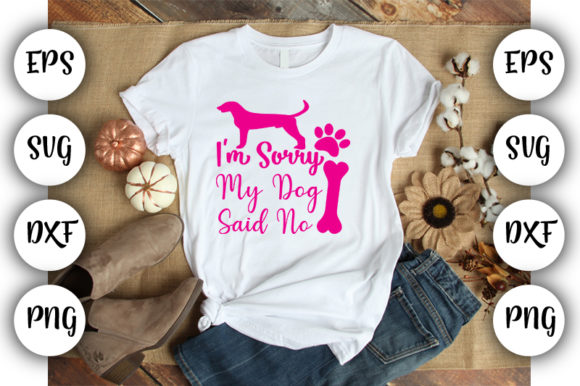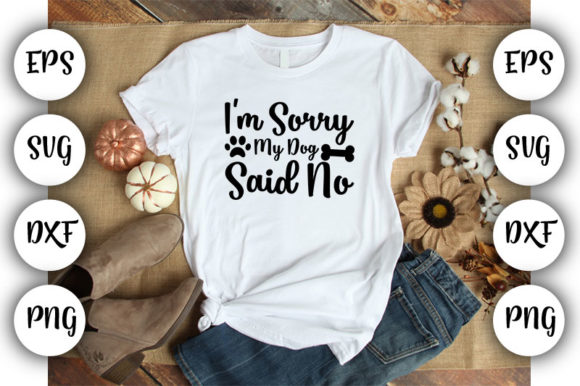
Dog I’m Sorry, My Dog Said No
A Quick First Impression
The moment I saw Dog I’m Sorry, My Dog Said No, I was struck by its playful tone and the way it balances humor with a touch of whimsy. The design feels like something you’d find on a child’s bedroom wall or a pet-themed gift shop. It’s not overly complicated, but it carries enough personality to stand out in a sea of generic embroidery graphics.
Design Layout and Visual Personality
The layout is clean and uncluttered, which is a relief for someone looking to use it in a variety of projects. The dog’s face is the focal point, rendered with a soft, cartoonish style that invites a friendly interpretation. The text is simple but impactful, making it easy to read even when scaled down. This kind of design is perfect for those who want to add a bit of charm without overwhelming the viewer.
I particularly appreciate the use of space around the main elements. There’s no overcrowding, which makes it easier to stitch and less likely to cause issues with thread tension or stitch density. The overall aesthetic leans toward casual and approachable, which fits well with many everyday embroidery applications.
Real-Life Use Case: Custom Tote Bag Design
Let’s imagine a scenario where I’m preparing a custom tote bag for a local craft fair. The client wants something fun and relatable, something that will catch the eye of parents and pet lovers alike. Dog I’m Sorry, My Dog Said No immediately comes to mind as a perfect fit. It’s light-hearted, engaging, and has a strong visual identity that can work across multiple product types.
When I think about how this design would look on a tote bag, I consider the size of the hoop needed. Since the design isn’t too large or intricate, it should fit comfortably in a standard 5-inch hoop. However, I’d recommend testing it on scrap fabric first to ensure there are no hidden complexities or tight spaces that might affect stitching quality.
Stitching Performance and Practical Considerations
Dog I’m Sorry, My Dog Said No performs well in most embroidery situations, but there are a few areas where it might require extra attention. For instance, the small details like the dog’s ears and the text might be challenging on thin or stretchy fabrics. In such cases, using a proper stabilizer becomes crucial to maintain stitch integrity and prevent puckering.
Dark fabrics could also pose a challenge, especially if the design relies on subtle shading or color contrast. Testing the design in black and white mockups before committing to a final product is a smart move. It helps identify any potential visibility issues and ensures the design maintains its clarity and impact.
Where to Use Carefully
- Small Hoop Sizes: While the design is manageable, it’s best suited for mid-sized hoops rather than the smallest ones.
- Textured Fabrics: The design may lose some detail on fabrics with deep textures or patterns.
- Thin Fabric: A stabilizer is highly recommended to avoid distortion during stitching.
- Stretchy Fabric: The elasticity of the material can cause the design to shift slightly, so careful placement is necessary.
- Dark Fabric: Light-colored threads may not show up clearly against dark backgrounds.
- Curved Surfaces: The design works well on flat surfaces but might need adjustments for curved items like caps or hats.
- Tiny Lettering: The text is readable, but it’s best to avoid using it on very small-scale projects.
- Dense Stitch Areas: The design doesn’t have overly dense sections, making it suitable for most machines.
- Decorative Accents: It’s ideal for adding a decorative touch to products like aprons or pillow covers.
- Frequent Washing: The design is durable, but repeated washing might affect the vibrancy of the colors over time.
Visual Appeal and Product Value
The visual appeal of Dog I’m Sorry, My Dog Said No is strong, and it contributes positively to the perceived value of the finished product. Whether it’s a personalized gift or a boutique item, the design adds character and charm. Customers are more likely to connect with a product that feels thoughtful and unique, and this design delivers on both fronts.
From a branding perspective, the design is versatile enough to support a range of creative entrepreneurs and Etsy sellers. It can be used across different product lines, from baby clothes to holiday gifts, helping to build a cohesive brand identity while appealing to a broad audience.
Practical Designer Notes
As an experienced designer, I always recommend testing any new design on scrap fabric before committing to a final project. This helps catch any potential issues early on and ensures the design behaves as expected in real-world conditions.
Reviewing the stitch density is also important. While Dog I’m Sorry, My Dog Said No is generally well-balanced, checking the file for any irregularities is a good practice. Additionally, confirming the appropriate thread colors and stabilizer type can make a big difference in the final result.
Finally, always verify the licensing terms before selling the design as part of a finished product or digital offering. Understanding the usage rights ensures you’re operating within legal boundaries and protecting your business interests.