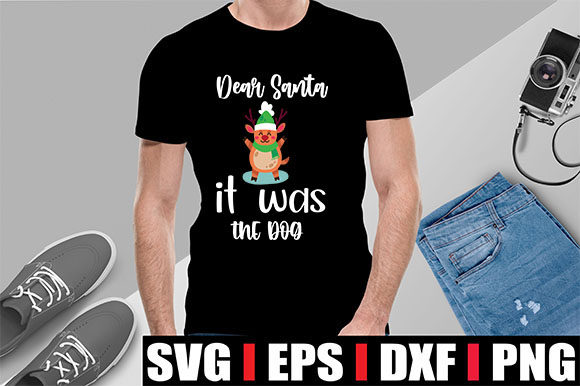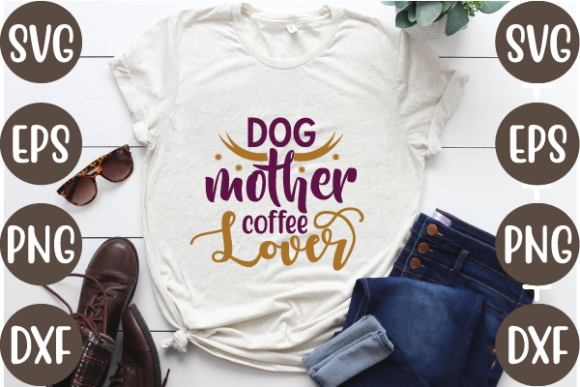
DOG DESIGN
A Practical Review for Real-World Embroidery Use
I've stitched more than a few machine embroidery designs over the years, and while most are well-intentioned, not all make the cut for real projects. When I first opened the DOG DESIGN files—SVG, DXF, EPS, and PNG—it immediately caught my attention. The design is clean, modern, and carries a friendly energy that feels approachable for both personal and commercial use.
The First Impression: Mood and Visual Personality
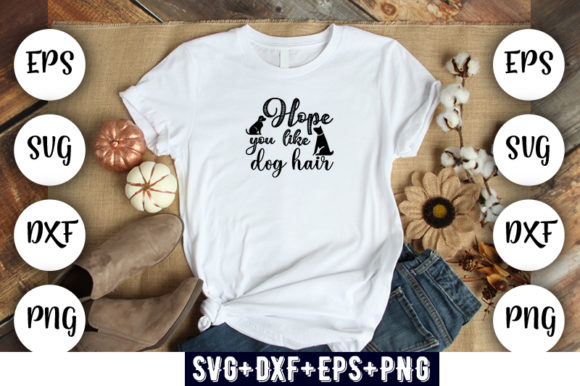
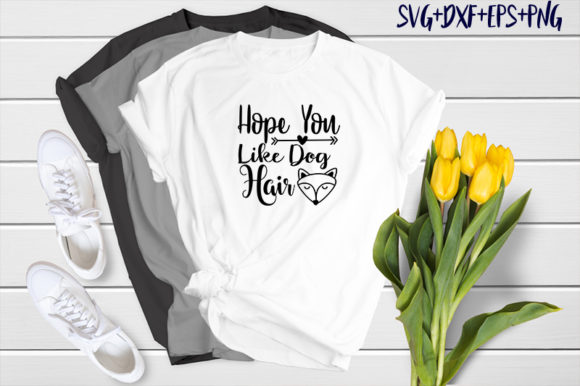
At first glance, DOG DESIGN evokes a sense of warmth and playfulness. The dog’s shape is simple but expressive, with subtle details that add character without overwhelming the viewer. It doesn’t scream “embroidery” in the traditional sense, but it does have a natural flow that makes it feel like something you’d see on a handmade item or a custom apparel piece.
The layout is balanced, with enough white space to keep the design from feeling cluttered. This makes it versatile for different applications, whether it's a patch, a tote bag, or a personalized gift. The overall visual personality leans toward casual and approachable, which is ideal for a wide range of products.
Real-Life Scenario: Custom Tote Bag Design
Let me paint a quick picture. Imagine I'm preparing a custom embroidered tote bag for a local craft fair. The client wants a fun, eye-catching design that can be used across multiple products. DOG DESIGN fits this scenario perfectly. It’s large enough to be visible on a tote bag, yet detailed enough to maintain interest without being too busy.
When I imagine stitching it onto fabric, the design holds up well against the background. It doesn't overpower the canvas, and its simplicity allows it to stand out. I could see it working well as a logo for a small shop or as a recurring element in a product line.
Performance in Real Embroidery Situations
DOG DESIGN performs admirably in various embroidery contexts. For custom apparel like t-shirts and sweatshirts, it looks great when applied to light-colored fabrics. On darker tones, it still maintains visibility thanks to its clear outlines and contrasting shapes.
It’s also suitable for items like baby clothes, caps, and patches. However, I would caution against using it on very thin or stretchy fabrics, where the design might lose some definition. For curved surfaces like hats or caps, the design holds up reasonably well, though minor distortion can occur depending on the hoop size and fabric type.
When considering dense stitch areas, such as the dog’s ears or tail, I recommend checking stitch density settings before finalizing the project. A high stitch count can lead to bulkiness, especially on delicate fabrics. Testing on scrap fabric is always a good idea to ensure the design translates well to the final product.
Where to Be Careful
While DOG DESIGN is generally adaptable, there are a few scenarios where it may require extra attention. Small hoop sizes can cause the design to appear compressed or stretched, so it's important to confirm the recommended hoop size before starting. Similarly, textured or dark fabrics may reduce the contrast, making the design less vibrant.
For products that will undergo frequent washing, like tea towels or kitchen linens, the design should hold up well with proper stabilizer use. However, intricate corners or decorative accents might show wear over time, so it’s worth considering how the design will age in real-world use.
Visual Appeal and Product Value
The visual appeal of DOG DESIGN is strong, and that directly impacts the perceived value of any finished product. A well-executed embroidery design can elevate a simple item into something special. Customers often notice these details, and they can influence their decision to purchase.
From a brand consistency standpoint, DOG DESIGN offers a solid foundation for creating a cohesive look across multiple products. Whether it's a boutique item, an Etsy listing, or a handmade gift, the design has the potential to become a recognizable element in your creative offerings.
Practical Designer Notes
Before committing to a full project, I recommend testing DOG DESIGN on scrap fabric. Check thread color contrast to ensure visibility, review stitch density for clarity, and confirm hoop size compatibility. Testing in black and white mockups can also help identify any issues with detail retention.
Using proper stabilizer is crucial, especially for delicate or stretchy fabrics. Additionally, consider how the design works in both light and dark backgrounds. If you plan to sell finished items or digital products, always verify licensing terms to avoid any legal complications.
Finally, think about the intended use. DOG DESIGN is versatile enough for both personal and commercial projects, but its adaptability means it can be tailored to fit specific needs. Whether it's a holiday gift, a custom apparel piece, or a small shop product, it has the potential to deliver strong results.