Baby Dog
First Impressions: A Warm and Playful Embroidery Design
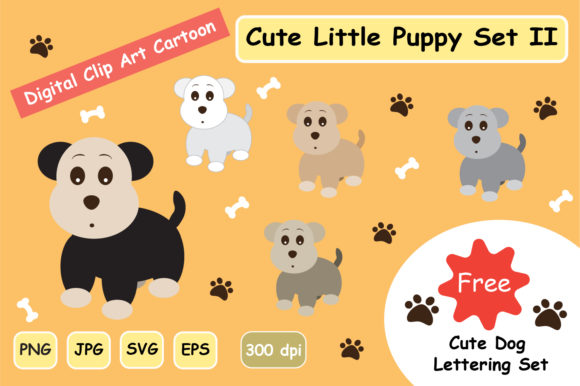
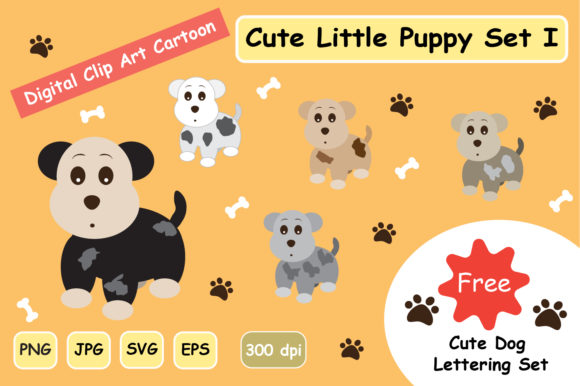
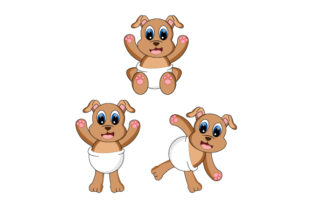
When I first opened the ZIP file for Baby Dog, I was struck by its simplicity and charm. The design is a small, cartoon-style dog with rounded features and a gentle, friendly expression. It feels like something you’d find in a children’s book or on a nursery wall. The layout is clean, with a focus on the dog’s face and body, making it immediately approachable.
The color palette is soft and pastel, which gives Baby Dog a calming and whimsical vibe. This makes it ideal for projects that aim to evoke warmth and comfort, such as baby items, holiday gifts, or personalized products. The lack of overwhelming detail means it doesn’t feel cluttered, which is a big plus for embroidery work where clarity is key.
Real-Life Use Case: Custom Embroidered Tote Bag
To test Baby Dog, I imagined using it on a custom embroidered tote bag. The design would be perfect for a baby shower gift or a handmade item for a new parent. Its playful nature fits well with the idea of a nurturing, family-oriented product.
I considered the placement of the design on the tote. Since Baby Dog is relatively small, it would work well near the top corner, allowing for breathing room around the edges. This prevents the design from feeling cramped and keeps the overall look balanced.
However, I also thought about how the design might appear when stitched. The soft colors could blend with the fabric if not carefully chosen. This is why I recommend testing the design on scrap fabric first and checking thread color contrast before committing to a final project.
Embroidery Performance: What Works and What Needs Attention
Baby Dog performs well in most standard embroidery scenarios, but there are a few areas where it requires careful consideration. The design is relatively simple, so it should stitch cleanly on most machines without excessive tension issues. However, the small details—like the dog’s ears and eyes—could be tricky in tight spaces or on textured fabrics.
If used on a small hoop size, the design might become distorted or lose some of its clarity. This is especially important for detailed corners or decorative accents. I recommend confirming the hoop size compatibility before proceeding with the actual embroidery.
Another thing to keep in mind is fabric type. Baby Dog works best on medium-weight fabrics like cotton or linen. On thin or stretchy materials, the design may not hold up as well, leading to puckering or distortion. Using proper stabilizer can help mitigate these issues.
Design Considerations for Commercial and Personal Projects
Baby Dog has the potential to be a versatile design asset for both personal and commercial use. For a small business owner or Etsy seller, it could serve as a digital embroidery file for a range of products—from baby clothes to holiday decor. Its neutral and friendly aesthetic makes it adaptable to various branding strategies.
However, it’s important to consider the licensing terms before selling finished items or digital products. If the design is intended for commercial use, make sure you have the proper rights. Always check the license agreement included with the ZIP file or contact the seller for clarification.
For personalized gifts, Baby Dog adds a touch of personality and warmth. It’s especially well-suited for baby-related items like onesies, blankets, or bibs. The design could also be used on caps, hats, or patches, adding a cute and recognizable element to wearable accessories.
Practical Tips for Embroidery Designers and Crafters
As an experienced designer, I always recommend testing designs on scrap fabric first. This helps identify any potential issues with stitch density, thread color contrast, or fabric compatibility. For Baby Dog, I would suggest checking the stitch density to ensure it doesn’t become too dense in certain areas, which could affect the overall appearance.
Testing the design in black and white mockups is another useful step. This allows you to see how the design will look in different lighting conditions and on various fabric backgrounds. It also helps assess whether the design will stand out on dark or light-colored fabrics.
When working with small details, like the dog’s eyes or ears, pay close attention to how they stitch. These elements can easily become lost in dense stitch areas or get distorted on curved surfaces. Proper stabilizer use is essential for maintaining the integrity of the design during stitching.
Final Thoughts: A Reliable Choice for Handmade and Commercial Projects
Baby Dog is a thoughtful and practical design that offers a good balance between simplicity and charm. It’s well-suited for a variety of embroidery projects, from custom apparel to holiday gifts. Its adaptability makes it a great choice for both personal use and small business ventures.
While it has some limitations, especially on certain fabric types or in specific applications, these can be managed with careful preparation and attention to detail. As long as you follow best practices and test the design thoroughly, Baby Dog can be a valuable addition to your embroidery toolkit.